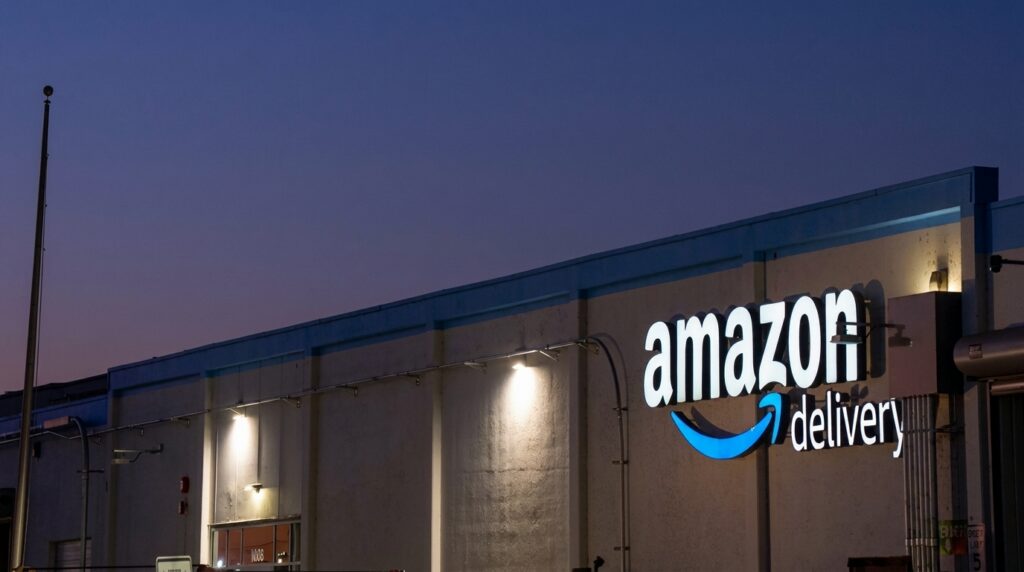
Millions of Amazon customers paid higher prices in 2025 because of tariffs the company said it had no choice but to pass along. Now that the Supreme Court has ruled those same tariffs illegal, a new lawsuit says Amazon is choosing not to get that money back, and definitely not handing any of it back to the customers who paid for it. Here’s what’s actually going on in the Amazon tariff refund lawsuit.
It started with tariffs that hit almost everything Amazon sells
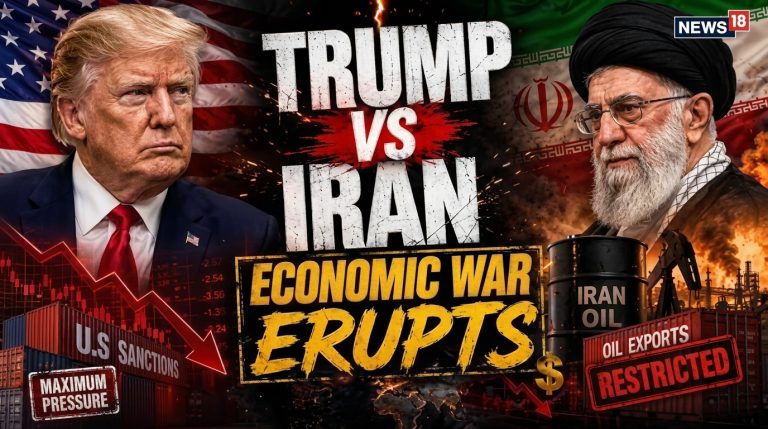
Beginning in February 2025, the Trump administration imposed a series of tariffs under the International Emergency Economic Powers Act, starting with a 10% duty on Chinese imports and expanding within weeks to cover goods from Canada, Mexico, and eventually most major trading partners. Rates on Chinese imports alone climbed as high as 127% by early May 2025. The scale of these tariffs is central to why the Amazon tariff refund lawsuit involves so much money.
Amazon’s own CEO said the costs would land on customers
In April 2025, Amazon CEO Andy Jassy told reporters he expected third-party sellers to pass tariff costs on to shoppers. By January 2026, he confirmed those costs had already begun to “creep” into Amazon’s own prices. That admission is now being used as evidence in the Amazon tariff refund lawsuit to show the price increases were a direct, acknowledged response to the tariffs.
Prices rose faster than inflation, and faster than competitors
According to the complaint at the center of the Amazon tariff refund lawsuit, roughly 1,200 low cost consumer goods saw an average price increase of 5.2% between January and July 2025, a rate that outpaced both general inflation and price increases at competitors like Walmart and Target during the same period.
The price hikes reportedly weren’t limited to imported goods
The lawsuit alleges Amazon didn’t just raise prices on the specific imported items subject to tariffs. It claims the company spread the added cost across its broader catalog, meaning customers who bought products made entirely in the United States, with no tariff exposure at all, still ended up paying more.
The Supreme Court ruled the tariffs were never legal
In February 2026, the Supreme Court ruled 6-3 that the law the administration used to impose the tariffs did not actually authorize them. The ruling opened the door for the businesses that paid the duties directly, known as importers of record, to file for government refunds. More than 2,000 companies have already filed such claims, and some have started receiving money back.
Amazon hasn’t filed for its refund, and the lawsuit says that’s deliberate
Despite qualifying to seek a refund like other major retailers, Amazon has not filed a claim. The Amazon tariff refund lawsuit alleges the company is intentionally avoiding the refund process to avoid drawing attention to how much of the tariff cost it passed on to customers, and to stay favorably positioned with the Trump administration after a reported phone call between the president and Amazon’s executive chairman over an unrelated pricing dispute.
The lawsuit wants that money returned to customers, with interest
The proposed class action, filed in federal court, seeks to force Amazon to pursue its refund and return the recovered tariff costs to the customers who originally paid them, along with interest and additional damages. The complaint puts it directly: the funds being used to stay in the government’s good graces do not belong to the company that collected them, they belong to the shoppers who paid the higher prices in the first place.
For now, there’s no settlement and no claims process open to customers. But the Amazon tariff refund lawsuit is one of several similar cases now working through the courts against major retailers, and it’s likely to keep developing as more companies either claim their refunds or get pulled into court for refusing to.
(Sources: foxbusiness.com, engadget.com)