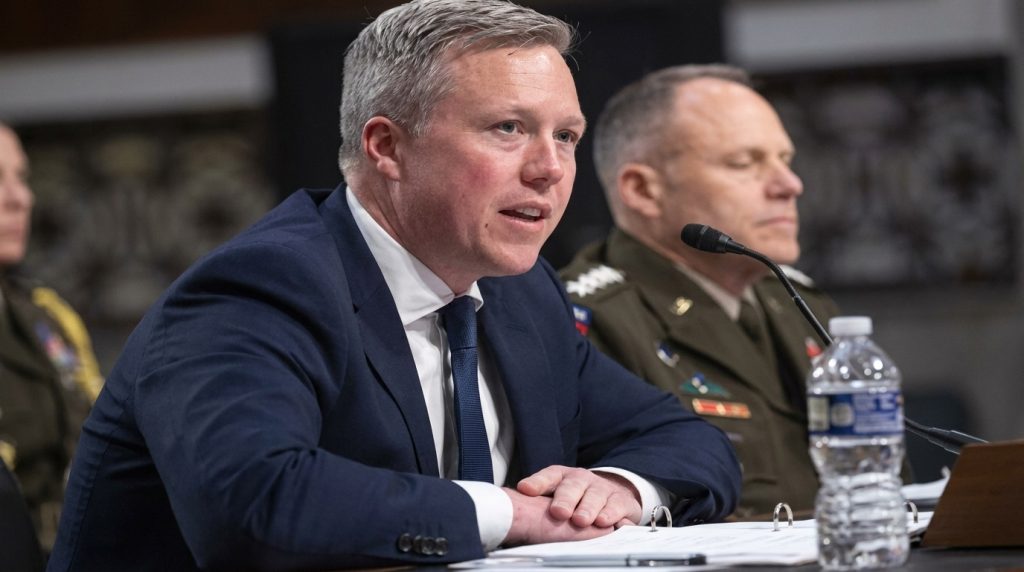
U.S. Army Secretary Dan Driscoll resigns from his post, closing out months of visible friction with Defense Secretary Pete Hegseth that had increasingly spilled into public view. The departure marks one of the more notable personnel shakeups inside the Pentagon this year, coming at a moment when the department is already stretched thin managing an active military conflict with Iran.
News that Army Secretary Dan Driscoll resigns adds fresh uncertainty to Army leadership at a time when the broader Defense Department is under significant operational pressure.
What led to the resignation
Reports describing why Army Secretary Dan Driscoll resigns point to sustained friction with Hegseth that built up over several months rather than a single triggering incident. This kind of prolonged tension between a service secretary and the Defense Secretary is relatively unusual, particularly when it becomes visible enough to draw sustained media attention rather than staying confined to internal Pentagon disagreements.
Why this matters during an active conflict
The timing behind why Army Secretary Dan Driscoll resigns is notable given that it comes during an active period of military engagement tied to the ongoing conflict with Iran. Leadership transitions at senior Pentagon levels typically create at least short-term disruption, and this departure arrives precisely when consistent Army leadership might otherwise be considered especially valuable.
What happens next
With Army Secretary Dan Driscoll resigns now confirmed, attention turns to who might be named as a successor and how quickly that transition can happen without disrupting ongoing operations. The Pentagon has not yet detailed a clear timeline for naming a replacement.
The broader pattern of Pentagon tension
This resignation adds to a broader pattern of visible tension within Defense Department leadership this year, raising questions among defense analysts about internal cohesion at the Pentagon during an already demanding period operationally.