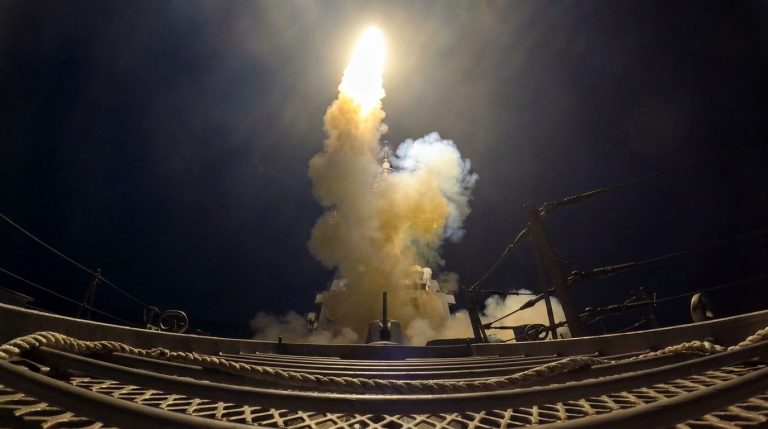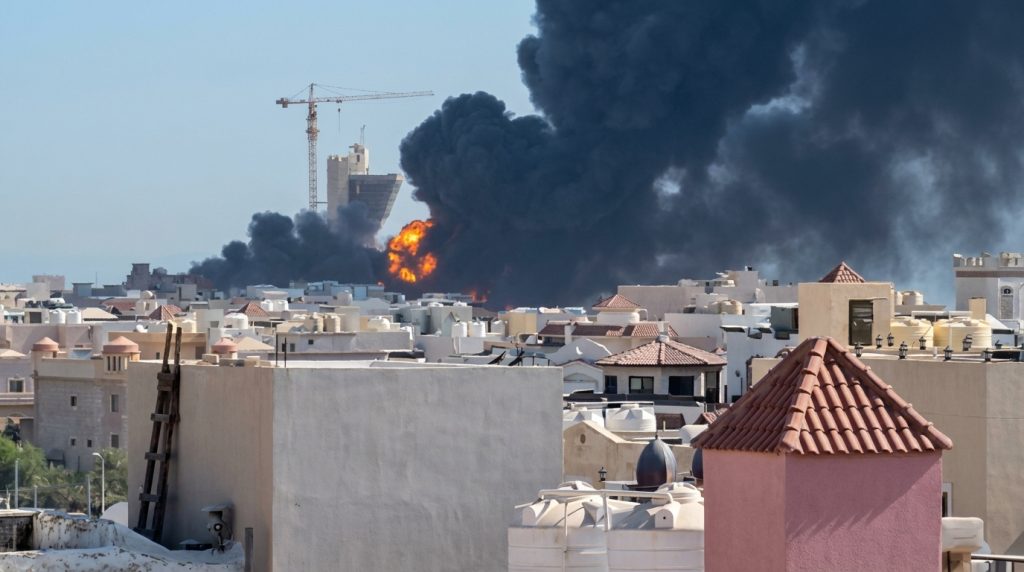
What began as a renewed round of hostilities has now stretched into more than a week of continuous military action. US troops killed in Iran attack incidents have mounted since Friday, pushing American strikes against Iranian targets into a ninth consecutive day and marking one of the most sustained periods of direct US-Iran conflict in recent memory.
The scale of casualties tied to the news that US troops killed in Iran attack situations continue rising has added significant weight to a conflict that shows no clear signs of winding down.
How this latest escalation began
The current round of hostilities traces back to an Iranian attack on a US base in Jordan, an incident that resulted in the deaths of two American service members from Hawaii and Texas. A third US service member was killed separately in northern Iraq during what officials described as a controlled detonation of a downed Iranian drone. Together, these incidents mark the specific moment when concerns about US troops killed in Iran attack situations shifted from a possibility into a documented reality.
Following these initial casualties, the United States responded with sustained military action against Iranian targets, launching what has now become nine consecutive days of strikes, a scale of engagement that goes well beyond the shorter, more limited exchanges that characterized earlier phases of tension between the two countries.
The scale of US casualties reported so far
According to Pentagon officials, nearly 100 US troops have been injured over the past two weeks as strikes have continued, a number that reflects the intensity of this current phase of the conflict beyond just the confirmed fatalities. The combination of confirmed deaths and this injury count has made clear that US troops killed in Iran attack incidents represent just one part of a broader human toll accumulating as the conflict extends.
Military officials have not detailed the specific nature of all these injuries, though the scale suggests engagement significant enough to represent real operational risk for American forces currently involved in the region, rather than isolated or incidental harm.
What US strikes have targeted inside Iran
Since the escalation began, American strikes have expanded well beyond military targets alone. According to reporting from Drop Site News, US attacks have hit nine bridges, two airports, a railroad junction, and a road tunnel inside Iran since operations intensified midweek. Saturday’s strikes specifically targeted a water desalination plant in the village of Bonji, an action that disrupted drinking water access for roughly 10,000 people across nearly two dozen surrounding villages.
The scope of these targets, particularly infrastructure affecting civilian water access, has raised questions among international observers about the humanitarian consequences of a conflict that began with concerns over US troops killed in Iran attack incidents but has since expanded into a much broader campaign against Iranian infrastructure.
Concerns about nuclear facility targeting
Adding another layer of international concern, the International Atomic Energy Agency is currently investigating reports of an attack on the construction site of a planned nuclear power plant in Darkhovin. Any strikes near nuclear-adjacent infrastructure carry particular weight given the broader international sensitivities around nuclear safety and nonproliferation, regardless of the facility’s operational status at the time of any reported attack.
This development adds a significant new dimension to a conflict that started with US troops killed in Iran attack incidents but has since raised broader questions about the strategic scope and potential long-term consequences of the current military campaign.
How this connects to broader regional tension
This escalation hasn’t occurred in isolation. The broader Middle East has seen significant parallel violence, including continued Israeli strikes in Gaza that have killed more than 1,100 Palestinians since October, alongside ongoing Russian strikes against Ukraine involving dozens of missiles and drones in a single overnight barrage. Against this backdrop, the reality that US troops killed in Iran attack situations continue represents one thread within a considerably wider pattern of global instability currently unfolding across multiple regions simultaneously.
Diplomatic analysts note that the interconnected nature of these various conflicts makes de-escalation in any single theater more complicated, since regional actors are often responding to multiple overlapping pressures rather than a single isolated dispute.
What officials are saying about next steps
As US troops killed in Iran attack incidents continue to be tallied alongside injury reports, attention in Washington has turned to how much longer this current campaign of strikes is expected to continue. Pentagon officials have not provided a clear public timeline for when operations might wind down, and the sustained nine-day pace suggests officials view continued military pressure as necessary until specific conditions, not yet fully articulated publicly, are met.
Congressional attention has also intensified, with lawmakers readying new sanctions against Russia partly in response to the broader web of international tension this conflict sits within, even as the immediate US-Iran military engagement remains the most urgent unfolding crisis.
What comes next
With US troops killed in Iran attack fatalities and injuries continuing to mount after nine consecutive days of strikes, the coming days will likely be critical in determining whether this escalation continues expanding or whether diplomatic channels reopen to bring the current campaign to a close. International monitoring of civilian infrastructure damage, particularly around water access and nuclear-adjacent sites, is expected to intensify as agencies like the IAEA continue assessing the situation on the ground.
For now, the conflict shows no clear indication of slowing, leaving military families, regional governments, and international observers watching closely as both the human and infrastructure toll continues climbing with each additional day of sustained strikes.