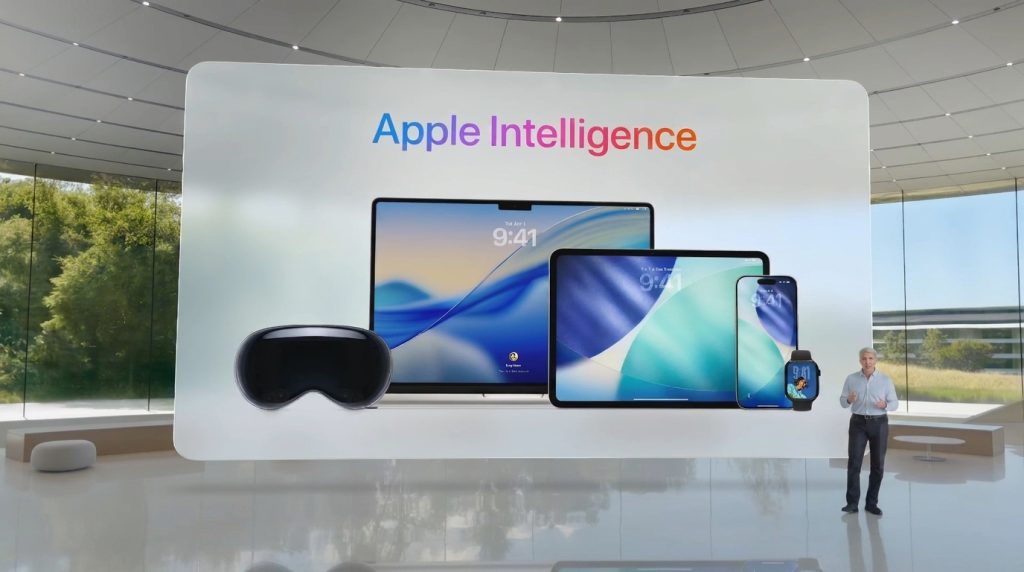
Apple is reportedly in early talks with a startup that specializes in compressing large artificial intelligence models so they can run directly on a smartphone, a move that signals renewed urgency around Apple on-device AI models after the company has faced criticism for lagging behind rivals in consumer AI features. The discussions suggest Apple sees on-device processing, rather than relying entirely on cloud servers, as central to its next phase of AI strategy.
For a company that has built its brand around privacy and tight hardware-software integration, Apple on-device AI models represent a natural extension of its existing philosophy, even as competitors have leaned more heavily into massive cloud-based AI systems.
What this startup actually does
The startup reportedly in talks with Apple focuses on a technical process often called model compression or distillation, which takes large, resource-intensive AI models and shrinks them down significantly while attempting to preserve as much of their capability as possible. This is precisely the kind of technology that would make Apple on-device AI models genuinely practical at scale, since running full-sized AI models directly on a phone’s limited processing power and battery capacity remains a significant engineering challenge.
By making Apple on-device AI models smaller and more efficient, this kind of technology could allow the company to offer more sophisticated AI features without requiring constant internet connectivity or draining battery life at an unacceptable rate for everyday users.
Why on-device processing matters so much to Apple
Apple has long emphasized privacy as a core differentiator against competitors, and Apple on-device AI models fit naturally into that narrative, since processing data directly on a user’s device means sensitive information doesn’t need to travel to external servers for AI features to function. This approach allows Apple to market privacy-focused AI capabilities in a way that’s harder for cloud-dependent competitors to replicate without fundamentally changing their own infrastructure approach.
Beyond privacy, Apple on-device AI models also offer practical benefits around speed and reliability, since features that don’t depend on a network connection can respond instantly and continue working even when a user has no internet access, a meaningful advantage for everyday functionality.
The competitive pressure driving this move
Apple has faced mounting criticism over the pace of its AI feature rollout compared to competitors who have moved aggressively into generative AI products, making the push toward Apple on-device AI models a potentially important part of catching up without abandoning the company’s traditional approach to privacy and hardware efficiency. Rather than competing purely on raw model size or cloud infrastructure scale, Apple appears to be betting that efficient, well-integrated on-device intelligence can be a meaningful differentiator of its own.
This strategic direction around Apple on-device AI models also aligns with the company’s broader hardware philosophy, where tight integration between custom silicon and software has historically been positioned as an advantage over more fragmented competitor ecosystems.
What this could mean for future iPhone features
If talks around Apple on-device AI models progress into an actual acquisition or partnership, the practical result for consumers could include more advanced AI features built directly into iOS that function without needing to send data to external servers. This might include more sophisticated on-device writing assistance, photo processing, or contextual suggestions that currently require cloud processing on many competing platforms.
Analysts watching the space suggest that Apple on-device AI models could become a meaningful selling point in future iPhone marketing, particularly for privacy-conscious consumers who have historically responded well to Apple’s positioning on data protection compared to competitors with more cloud-dependent AI architectures.
Challenges Apple still needs to solve
Despite the potential benefits, building genuinely capable Apple on-device AI models at scale remains technically difficult, since smartphone hardware, even Apple’s own custom chips, faces real limitations compared to the massive server farms powering cloud-based AI systems used by many competitors. Balancing model capability against battery life, processing speed, and available memory continues to be one of the central engineering challenges in this space industry-wide, not just for Apple specifically.
Any technology Apple acquires or licenses to support Apple on-device AI models will likely need significant additional engineering work before it appears in shipping products, meaning consumers may not see tangible results from these talks for some time even if a deal is finalized relatively soon.
What comes next
As talks continue, attention will likely focus on whether Apple moves forward with an acquisition, a licensing partnership, or simply walks away after evaluating the technology further. Given how central Apple on-device AI models could become to the company’s broader AI strategy, any concrete deal would likely draw significant attention from investors and competitors alike, given what it might signal about Apple’s next moves in an increasingly AI-driven consumer technology landscape.
For now, these discussions remain in an early stage, but they offer a clear signal of where Apple’s AI priorities are heading, even as the broader industry continues debating whether the future of consumer AI belongs primarily to massive cloud models or more efficient, privacy-focused on-device alternatives.