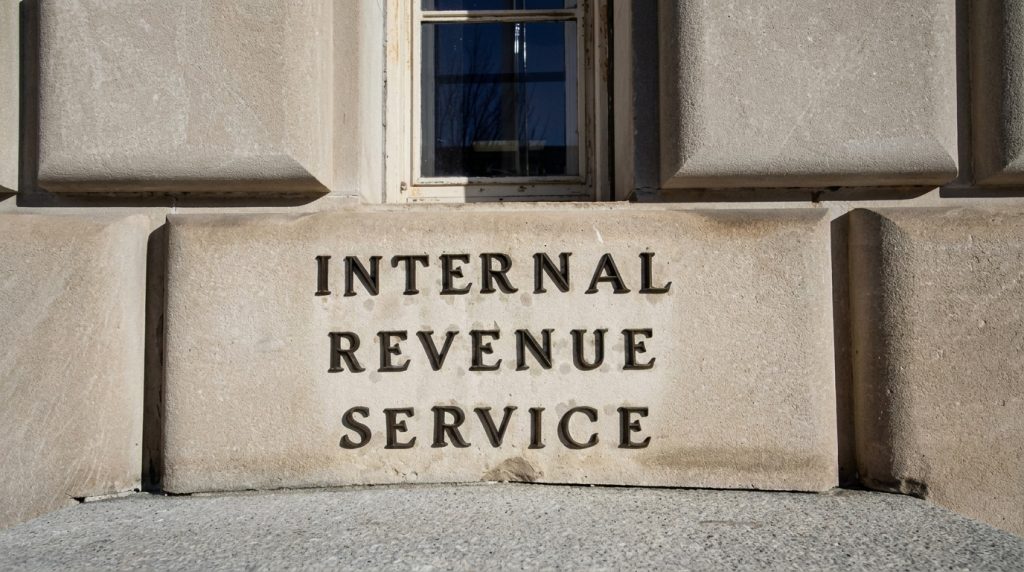
For millions of American taxpayers, the money they were counting on has simply not arrived. An ongoing IRS tax refund delay has left filers checking their bank accounts daily, refreshing IRS tracking tools, and wondering whether something went wrong with their return.
Tax refunds aren’t just a bonus for many households, they’re often used to pay down debt, cover overdue bills, or fund a big purchase that was put off during the year. When an IRS tax refund delay drags on for weeks longer than expected, the financial ripple effects can be significant for families living paycheck to paycheck.
Why this IRS tax refund delay is happening
The IRS has pointed to a combination of factors behind this year’s IRS tax refund delay, including staffing shortages, outdated processing systems, and a higher-than-usual volume of returns flagged for manual review. Returns that include certain tax credits, like the Earned Income Tax Credit, are legally required to undergo additional verification, which alone accounts for a portion of the current backlog.
“Every year there’s some delay, but this IRS tax refund delay has been noticeably longer for a lot of filers who did everything correctly,” said one tax preparation professional who has fielded a surge of client complaints this season. “People aren’t used to waiting this long when there were no errors on their end.”
Beyond the technical explanations, critics argue the IRS tax refund delay also reflects years of underfunding at the agency, which has struggled to modernize its systems while processing more returns than ever before.
How long is the IRS tax refund delay actually lasting
While the IRS typically advises that refunds are issued within 21 days of e-filing, this year’s IRS tax refund delay has pushed many taxpayers well past that window, in some cases by a month or more. Paper filers have been hit even harder, with processing times stretching significantly longer than electronic submissions.
Taxpayers can check the status of their return through the IRS “Where’s My Refund” tool, though many filers report that the tool simply shows a generic “still processing” message without any specific explanation for the IRS tax refund delay affecting their individual case. This lack of transparency has become one of the most common complaints during this year’s filing season.
Who is being hit hardest
Lower and middle-income households appear to be disproportionately affected by the current IRS tax refund delay, largely because they are more likely to claim credits that trigger manual review. Families expecting the Child Tax Credit or Earned Income Tax Credit have reported some of the longest wait times, which is particularly frustrating given that these households often rely most heavily on refund money for essential expenses.
Self-employed workers and gig economy earners have also reported an unusually high rate of delays this year, with some tax professionals suggesting that more complex returns are being routed into slower review queues, extending the IRS tax refund delay even further for that group.
What critics are saying about accountability
Consumer advocacy groups have been vocal about the current IRS tax refund delay, arguing that the agency owes taxpayers clearer, more specific communication about why their individual refund is stuck. Several lawmakers have sent formal inquiries to the IRS demanding an explanation for the scale of this year’s backlog.
“When people file correctly and on time, they deserve a real answer, not just a status bar that never changes,” one consumer rights advocate said in response to growing complaints about the IRS tax refund delay. “The burden shouldn’t fall entirely on the taxpayer to guess what’s happening.”
The IRS has acknowledged the frustration publicly but has largely attributed the IRS tax refund delay to systemic and staffing issues rather than errors on the part of individual filers, a distinction that has done little to ease the financial stress many households are experiencing in the meantime.
What you can do if you’re affected
Tax professionals recommend a few practical steps for anyone currently experiencing an IRS tax refund delay. First, confirm that your return was actually accepted, not just submitted, since a rejected return can look similar to a delay if you aren’t checking carefully. Second, use the official IRS refund tracking tool regularly rather than relying on assumptions, since status updates can change without additional notification.
Third, if your refund is delayed well beyond the standard processing window, you may be able to request a taxpayer assistance appointment or contact the Taxpayer Advocate Service, which exists specifically to help in cases where a delay is causing genuine financial hardship.
For now, the IRS tax refund delay remains an active and evolving story, with no clear end date for when normal processing times will fully return. Until then, millions of taxpayers are left doing the one thing they can control: waiting, checking, and hoping their refund arrives before the next bill comes due.