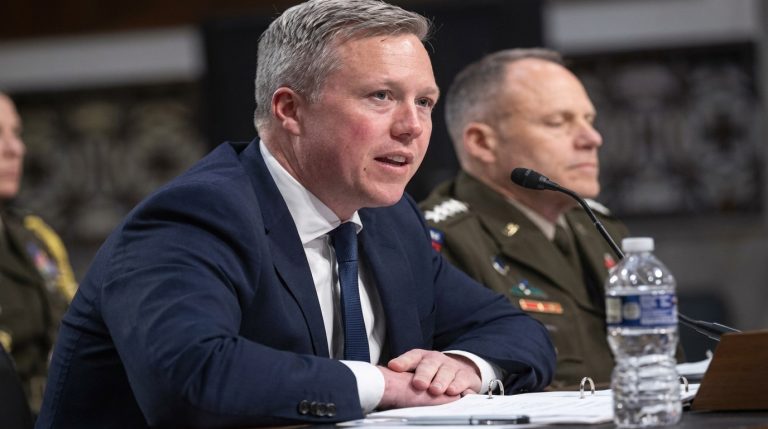
Senator Lindsey Graham dies at 71, leaving Washington and his home state of South Carolina grappling with the loss of one of the Senate’s most prominent and outspoken Republican voices. The influential lawmaker and longtime Trump ally passed away Saturday night following what his office described as a brief and sudden illness, a death that has sent shockwaves through the political establishment on both sides of the aisle.
News that Lindsey Graham dies came as a shock to colleagues who had seen him active in the Senate just days earlier, underscoring how quickly the illness took hold.
How the news broke that Lindsey Graham dies
According to a statement released by his Senate office, Lindsey Graham dies Saturday night after what was characterized as a rapid decline in health. The statement did not immediately specify the exact nature of the illness, though it emphasized that his passing came quickly and unexpectedly, catching even close staff and family members off guard.
Tributes began pouring in almost immediately from both Republican and Democratic colleagues once word spread that Lindsey Graham dies, reflecting the complicated but undeniably significant role he played in Senate politics over more than two decades in office. Senate Majority Leader statements and House colleagues alike acknowledged his influence, even those who frequently disagreed with his positions.
Who was Lindsey Graham
Before Lindsey Graham dies became a headline dominating national news, he had built a reputation as one of the most recognizable Republican senators in modern American politics. Representing South Carolina, Graham first won his Senate seat in 2002 and became known for his evolving relationship with Donald Trump, shifting from an early Trump critic to one of his most vocal defenders in the years that followed.
Graham’s career was marked by his role on the Senate Judiciary Committee, his hawkish stance on foreign policy, and his willingness to break with his own party on select issues, even as he became increasingly aligned with Trump’s agenda in recent years. His death leaves a significant void in a Senate already navigating a politically turbulent year.
What happens now that the Senate seat is vacant
With Lindsey Graham dies confirmed, attention has quickly turned to the process for filling his now-vacant Senate seat. Under South Carolina law, the state’s governor holds the authority to appoint a temporary replacement to serve until a special election can be held, a process that is expected to trigger intense political maneuvering among potential successors in the coming weeks.
Speculation immediately began circulating around several prominent South Carolina Republicans who might seek the appointment or run in the eventual special election. Representative Nancy Mace, when asked directly about her interest in the seat following news that Lindsey Graham dies, indicated only that “there will be time to decide,” leaving the door open without committing to a bid.
How this affects the broader Senate balance
Beyond South Carolina politics, the fact that Lindsey Graham dies carries implications for the broader partisan balance in the Senate, particularly as the chamber continues to navigate contentious legislative battles. Every vacant seat, even one likely to be filled by a same-party appointee, introduces short-term uncertainty into vote counts on pending legislation until a permanent replacement is confirmed or elected.
Political analysts have noted that while South Carolina is expected to remain a reliably Republican seat, the timing of Graham’s death, occurring amid ongoing debates over voter ID legislation and other high-profile Trump administration priorities, adds a layer of complexity to an already busy legislative calendar.
Tributes and reactions from across Washington
In the hours after Lindsey Graham dies became public, tributes poured in from unexpected corners of the political spectrum. Colleagues who frequently sparred with Graham on policy nonetheless acknowledged his decades of public service and his willingness to engage across party lines on certain issues, even as his alliance with Trump made him a polarizing figure for much of his later career.
The bipartisan nature of the tributes following news that Lindsey Graham dies reflects the complicated legacy he leaves behind, one shaped by both his early reputation as a maverick willing to buck his party and his later transformation into one of the administration’s most reliable Senate allies.
What comes next
In the immediate aftermath of confirmation that Lindsey Graham dies, South Carolina’s governor is expected to move relatively quickly to name an interim appointee, given the sensitivity of leaving a Senate seat vacant for an extended period. Details about funeral arrangements and any official memorial services in Washington are expected to be announced by his family and Senate office in the coming days.
As South Carolina and the broader Senate adjust to this sudden loss, the coming weeks will likely be dominated by both public tributes to Graham’s decades of service and the political jockeying over who will ultimately succeed him, a process that could shape the state’s political landscape well beyond the immediate special election.