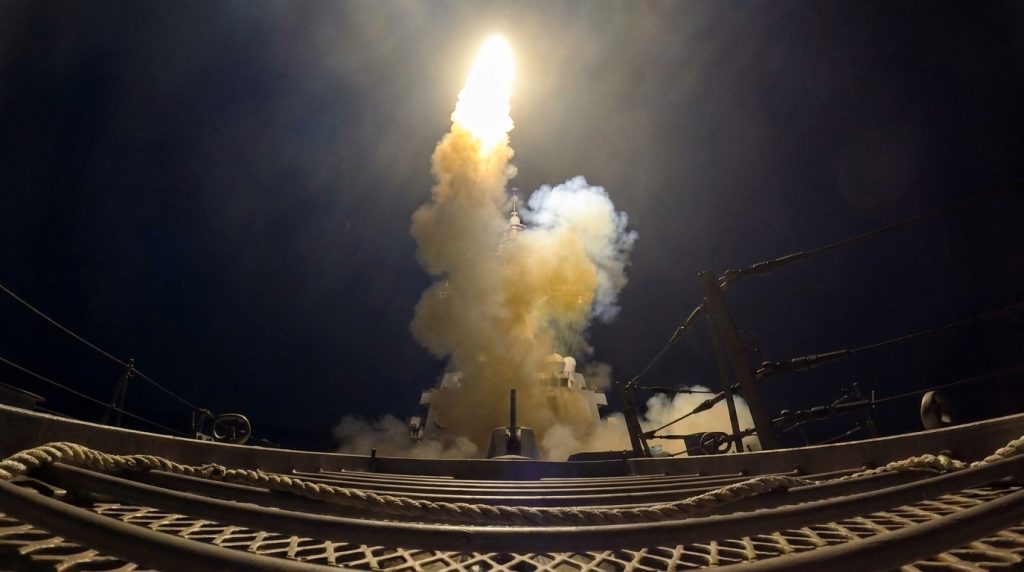
Fresh reports confirm the US strikes Iran once more, marking a significant escalation just as negotiators appeared to be edging toward some form of de-escalation. The renewed military action comes after peace talks between the two nations stalled, dashing hopes that the earlier ceasefire period might hold through the summer.
News that the US strikes Iran again arrives amid an already tense global backdrop, with markets and regional governments watching closely for signs of how far this latest round of hostilities might extend.
What we know about the latest strikes
Details are still emerging about the scope and specific targets involved as the US strikes Iran in this newest phase of the conflict, but early reporting indicates the action followed a breakdown in ongoing diplomatic negotiations that had been attempting to build on the earlier ceasefire agreement reached earlier this year. The timing suggests officials had grown frustrated with the pace or direction of talks before authorizing renewed military action.
Regional analysts note that whenever the US strikes Iran during a period of stalled negotiations, it typically signals that diplomatic channels have reached an impasse serious enough that military pressure is being used as leverage to force renewed engagement at the negotiating table.
Why peace talks stalled in the first place
The collapse of negotiations that preceded this latest round of the US strikes Iran conflict reflects ongoing disagreements that have persisted since the original ceasefire was reached. While that earlier agreement succeeded in pausing active hostilities for several months, the underlying disputes that triggered the initial conflict were never fully resolved, leaving the ceasefire more fragile than officials on either side publicly acknowledged at the time.
Diplomatic sources familiar with the stalled talks suggest that disagreements over verification mechanisms and the pace of any broader agreement contributed significantly to the breakdown, ultimately setting the stage for the US strikes Iran escalation now unfolding.
How this affects the broader region
Every time the US strikes Iran, the ripple effects extend well beyond the two countries directly involved, particularly given Iran’s proximity to critical shipping routes like the Strait of Hormuz. Energy markets have historically reacted quickly to renewed hostilities in the region, with oil prices climbing on fears of potential disruption to global supply chains that depend on stability in this corridor.
Neighboring countries, along with major energy-importing nations further afield, are once again bracing for potential economic consequences as the US strikes Iran, given how closely regional stability tracks with global energy price stability more broadly.
What officials are saying
Government statements following news that the US strikes Iran again have been measured but firm, with officials framing the action as a necessary response to the collapse of negotiations rather than a decision to abandon diplomacy entirely. This kind of framing is common in situations where military action and diplomatic engagement are being pursued simultaneously, even if that combination appears contradictory on its surface.
Foreign policy analysts note that the pattern of the US strikes Iran followed by renewed diplomatic outreach has become somewhat familiar throughout this conflict, suggesting that today’s escalation may ultimately be intended to bring Iran back to the negotiating table rather than signal an indefinite expansion of hostilities.
Market and economic reactions
Financial markets have historically responded quickly whenever the US strikes Iran, and early indications suggest a similar pattern is unfolding again, with energy prices showing renewed volatility as traders price in the risk of further escalation. Countries with significant energy import dependency, including several in South Asia, have already flagged concerns about how this latest development could affect domestic inflation if the conflict extends for a prolonged period.
Analysts covering global energy markets note that the actual economic impact will depend heavily on whether the US strikes Iran remains a limited, targeted action or expands into a broader and more sustained military campaign affecting regional stability more significantly.
What happens next
With peace talks now stalled and the US strikes Iran marking a clear escalation, attention turns to how Tehran responds and whether either side signals willingness to return to negotiations in the coming days. Diplomatic history in this specific conflict suggests that periods of military escalation have sometimes preceded renewed talks, though there’s no guarantee that pattern holds this time given how quickly the situation continues to evolve.
For now, the international community is watching closely as the US strikes Iran once again, with particular attention on whether this latest escalation remains contained or triggers a broader response that could further destabilize an already fragile regional and global economic situation.