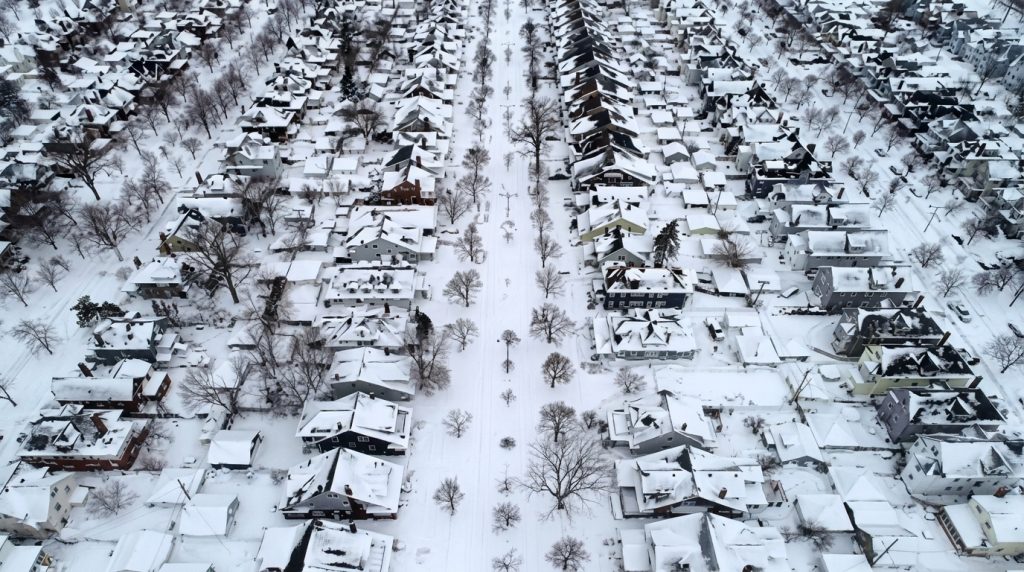
The winter storm death toll climbed with alarming speed as a massive cold wave tore through more than thirty states, leaving families across the country grieving and communities scrambling to respond. What began as a routine winter weather forecast turned into one of the deadliest cold events in recent memory, and the winter storm death toll eventually surpassed 85 people before the system finally moved on.
For millions of Americans, this wasn’t just a snow day story. It was a stark reminder of how quickly extreme weather can turn deadly when infrastructure, timing, and preparedness all collide at once.
How fast the winter storm death toll actually climbed
Emergency officials tracking the storm reported that the winter storm death toll rose sharply within just a few days, as freezing temperatures combined with treacherous road conditions to create a uniquely dangerous stretch of weather. Many of the deaths were linked to vehicle accidents on ice-covered roads, while others were tied directly to hypothermia among people without adequate shelter or heating.
“We don’t usually see the winter storm death toll rise this quickly across so many states at once,” said one emergency management official involved in coordinating the multi-state response. “The scale of this event caught a lot of communities off guard, even ones that are used to harsh winters.”
Why more than 30 states were affected at once
Unlike a typical regional snowstorm, this cold wave stretched across a massive footprint, which is part of why the winter storm death toll ended up so high. The system combined an arctic air mass with a slow-moving winter storm pattern, meaning many areas experienced days of sustained dangerous cold rather than a single short burst of bad weather.
States that don’t typically deal with extreme winter conditions were hit especially hard, since infrastructure in warmer-climate states is often not built to handle prolonged freezing temperatures. Burst pipes, power outages, and road closures compounded the danger in these regions, contributing further to the rising winter storm death toll as the event unfolded.
The 15 states of emergency explained
As conditions worsened, more than fifteen states formally declared states of emergency, a designation that unlocks additional federal resources and allows governors to mobilize National Guard units for storm response. These declarations became critical tools for managing shelter operations, road clearing, and emergency medical response as the winter storm death toll continued climbing across the affected region.
Officials in several of these states specifically cited concerns about vulnerable populations, including elderly residents living alone and unhoused individuals with limited access to warming shelters, as a key reason for declaring emergencies so early in the storm’s timeline rather than waiting to see how conditions developed.
Who was most at risk during the cold wave
Public health officials noted that the winter storm death toll disproportionately affected certain groups, particularly elderly residents, people experiencing homelessness, and individuals in rural areas with longer emergency response times. Carbon monoxide poisoning from improperly used generators and heating equipment also contributed to a portion of the deaths, as households without power turned to alternative heat sources without fully understanding the risks involved.
“Every year we see the same pattern where the winter storm death toll includes preventable deaths from generator misuse,” one public health researcher noted. “Public education about safe generator placement could genuinely save lives during events like this one.”
Power outages made everything worse
Widespread power outages compounded the danger throughout the storm, since losing electricity during extreme cold isn’t just an inconvenience, it can quickly become life-threatening. Utility companies across the affected states worked to restore power as quickly as possible, but in some hard-hit areas, outages stretched on for days, directly contributing to the winter storm death toll as households lost access to heating during the coldest stretch of the event.
Communities with backup warming centers and clear communication systems appeared to fare better during the crisis, suggesting that infrastructure investment and emergency planning played a real role in limiting just how high the winter storm death toll climbed in certain regions compared to others.
What comes next after a storm like this
In the aftermath, state and federal officials have begun reviewing emergency response performance, looking closely at where the system worked and where gaps left people exposed to unnecessary risk. Advocacy groups have called for expanded funding for warming shelters and clearer public safety messaging ahead of future cold events, arguing that a portion of the winter storm death toll could have been prevented with faster public communication.
For the families who lost loved ones, no policy review changes what happened. But for emergency planners already looking ahead to next winter, this storm has become a case study in just how quickly a widespread cold wave can turn catastrophic, and how much still needs to improve before the next one arrives.