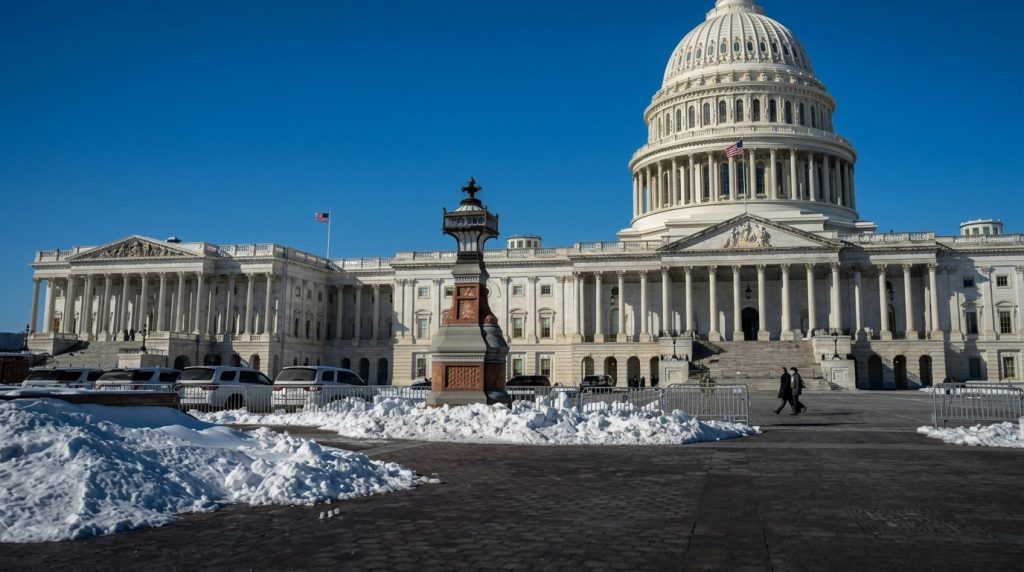
The government shutdown 2026 didn’t just disrupt Washington politics, it reached directly into the paychecks, benefits, and daily routines of ordinary Americans for weeks on end. What started as a familiar budget standoff turned into the longest government shutdown 2026 has ever recorded in US history, leaving federal workers, contractors, and everyday citizens caught in the middle of a fight they had no part in creating.
Here’s a breakdown of what actually happened, why it lasted so long, and who paid the price while lawmakers negotiated.
How the government shutdown 2026 actually started
The first phase of the government shutdown 2026 was brief, lasting only a few days before a short-term funding bill temporarily reopened the government. But that fix was never meant to be permanent, and within roughly two weeks, funding lapsed again, triggering a second and far more damaging government shutdown 2026 that would stretch on for over two months.
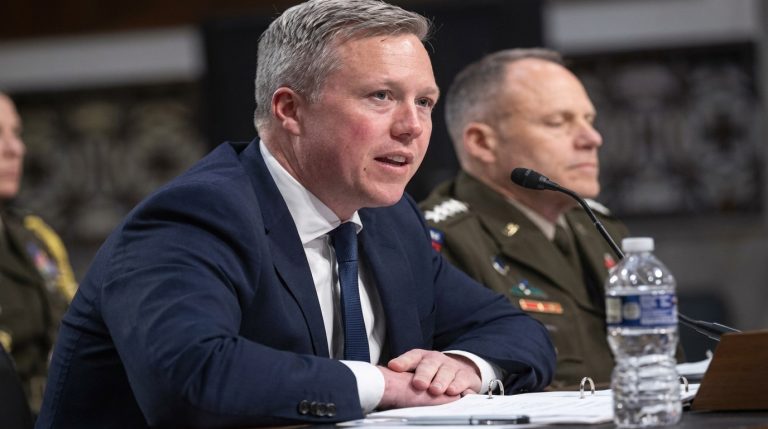
At the center of the dispute was funding for the Department of Homeland Security, specifically disagreements over how Immigration and Customs Enforcement operations should be funded and overseen. Lawmakers on opposing sides dug in, and neither party was willing to back down first, turning what could have been a short funding gap into the longest government shutdown 2026 the country has ever experienced.
“Once DHS funding became the sticking point, everyone in Washington knew this wasn’t going to resolve quickly,” said one congressional policy analyst who has tracked previous shutdowns. “The government shutdown 2026 became a proxy fight for a much bigger immigration enforcement debate.”
Who felt the impact first
Federal employees were among the first to feel the direct financial consequences of the government shutdown 2026. Hundreds of thousands of workers were either furloughed without pay or required to keep working without knowing exactly when their next paycheck would arrive. For many federal households, missed paychecks meant delayed rent payments, skipped bill payments, and mounting credit card debt just to stay afloat during the shutdown.
Contractors who work with federal agencies were hit even harder in some respects, since unlike federal employees, contract workers are typically not guaranteed back pay once a shutdown ends. For many of these workers, the government shutdown 2026 simply meant lost income that would never be recovered, regardless of how the political standoff was eventually resolved.
The DHS and ICE funding standoff explained
The core disagreement fueling the government shutdown 2026 centered on how much funding Immigration and Customs Enforcement should receive and what oversight conditions should be attached to that funding. One side of the negotiation pushed for expanded enforcement funding with minimal restrictions, while the other side demanded stricter accountability measures before agreeing to any new appropriations.
Neither side blinked for weeks, and as the government shutdown 2026 dragged past the one-month mark, public frustration grew louder on both sides of the political aisle. Polling throughout the standoff showed that a majority of Americans blamed Washington dysfunction broadly, rather than assigning blame cleanly to a single party, even as both sides tried to shape the narrative in their favor.
Everyday Americans caught in the middle
Beyond federal workers directly employed by the government, the government shutdown 2026 rippled outward into everyday life for millions of Americans who had no direct connection to federal employment. Delays in processing certain federal benefits, backlogs at government offices, and disruptions to services that rely on federal funding all became visible consequences as the shutdown stretched into its second month.
Small businesses located near major federal facilities also reported real financial strain, since furloughed federal workers simply had less discretionary income to spend locally during the government shutdown 2026, creating a secondary economic slowdown in communities built around federal employment hubs.
“People think a shutdown only hurts government workers, but it hurts the diner down the street from a federal building just as much,” one small business owner near a major federal office said during the standoff. “The government shutdown 2026 hit our regular customers’ wallets, and that hit us too.”
Why this became the longest shutdown in history
Several factors combined to make the government shutdown 2026 stretch on longer than any previous funding lapse. Unlike past shutdowns that were often resolved through short-term compromise bills, this standoff involved a politically sensitive policy dispute over immigration enforcement that neither side viewed as easily negotiable, removing the usual pressure valve that ends most shutdowns within days or a couple of weeks.
Additionally, public attention was split across several other major national and international stories happening simultaneously, which some analysts argue reduced the sustained political pressure that typically forces lawmakers back to the negotiating table more quickly during a government shutdown 2026.
How the standoff was finally resolved
After roughly seventy-six days, the government shutdown 2026 finally ended when lawmakers reached a funding agreement that addressed DHS appropriations without fully resolving the underlying disagreement over ICE oversight, effectively postponing the larger policy fight rather than settling it outright. Federal employees began receiving back pay in the weeks that followed, though for furloughed contractors, the lost income from the government shutdown 2026 was, in most cases, gone for good.
What comes next
Even though the government shutdown 2026 has technically ended, the underlying disagreement over immigration enforcement funding remains unresolved, meaning similar standoffs could resurface the next time funding needs to be renewed. For federal workers and the communities that depend on them, the lasting lesson of the government shutdown 2026 is a familiar one: political disputes in Washington rarely stay confined to Washington, and ordinary paychecks are often the first thing caught in the crossfire.