Several New York Times journalists subpoenaed by federal agents were confronted at their own front doors this week, in a move the newspaper says is designed to force grand jury testimony over its reporting on the Qatar-gifted Air Force One. The development has reignited a fierce debate about press freedom and the limits of government pressure on journalists covering the presidency.
The fact that New York Times journalists subpoenaed in this manner were approached directly at their homes, rather than through their employer’s legal counsel, has drawn sharp criticism from press freedom advocates who argue the tactic itself was designed to intimidate.
What actually happened when journalists were approached
According to the Times, federal agents showed up unannounced at the homes of several reporters involved in the Air Force One coverage, delivering subpoenas that compel them to appear before a grand jury in the coming days. The New York Times journalists subpoenaed in this case were reportedly given little advance notice, a detail the paper’s legal team has flagged as unusual compared to standard practice when law enforcement seeks testimony from members of the press.
“Turning up at someone’s front door to serve a subpoena sends a message beyond just the legal requirement itself,” said one media law expert commenting on the situation. “The optics of how New York Times journalists subpoenaed reporters were approached matter just as much as the subpoenas themselves.”
The Air Force One story at the center of the dispute
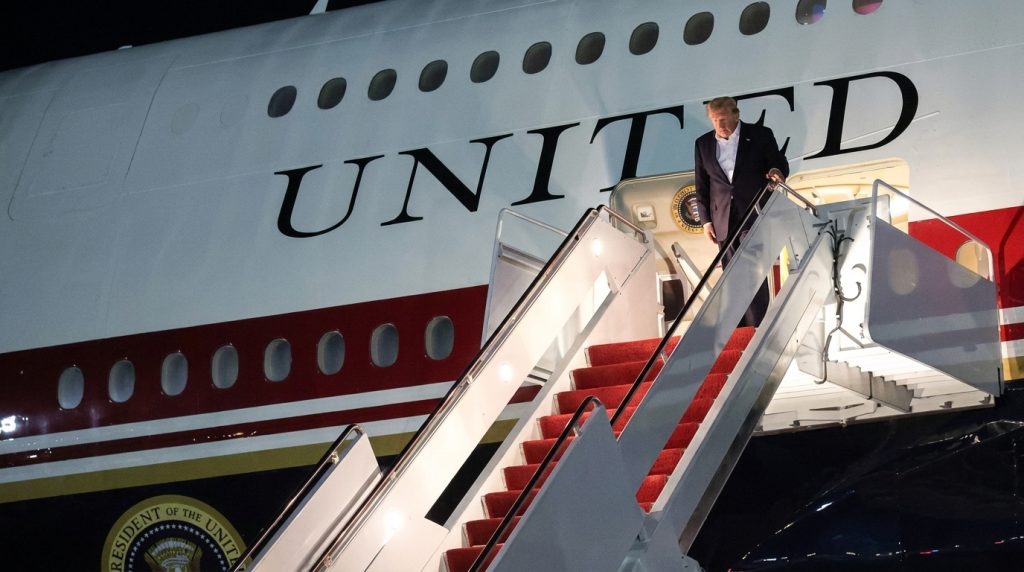
The underlying reporting that triggered this grand jury inquiry involved the Times’s coverage of a luxury Boeing 747 gifted to Trump by Qatar, intended for use as an Air Force One replacement. The paper’s investigation raised questions about the ethics, security implications, and legal framework surrounding the acceptance of such a gift from a foreign government, coverage that clearly drew significant attention from federal authorities.
Now, with New York Times journalists subpoenaed specifically in connection with that reporting, media law experts say the case raises serious questions about whether the government is using grand jury proceedings to identify confidential sources rather than pursuing a legitimate independent investigation unrelated to the journalists’ work itself.
Why press freedom advocates are alarmed
Organizations dedicated to protecting journalists have moved quickly to respond after New York Times journalists subpoenaed became public knowledge, framing the situation as part of a broader pattern of pressure on media outlets covering the administration critically. Press freedom groups have specifically pointed to the use of grand jury subpoenas as a tool that, when directed at journalists, risks exposing confidential sources and chilling future reporting on sensitive government matters.
“When New York Times journalists subpoenaed for testimony are being asked to reveal sourcing on a story about presidential ethics, that’s precisely the kind of chilling effect that press shield protections are supposed to prevent,” said a representative from a national press freedom organization.
How The New York Times is responding
The Times has publicly confirmed that its legal team is contesting the subpoenas, arguing that compelling New York Times journalists subpoenaed under these circumstances threatens fundamental protections for journalistic sourcing. The paper’s leadership has framed the case as a direct test of press freedom, suggesting that allowing the government to compel testimony in this specific instance could set a troubling precedent for future investigative reporting on the administration.
Legal experts tracking the case note that while journalists don’t have an absolute right to refuse grand jury testimony, federal courts have historically shown some deference to press protections, particularly when the underlying reporting involves matters of clear public interest, as the Air Force One story does.
What legal options the journalists have
Now that New York Times journalists subpoenaed are facing a scheduled testimony date, their legal team is expected to pursue several possible avenues to limit or quash the subpoenas, including arguments centered on reporter’s privilege and the specific circumstances under which the subpoenas were issued. These legal challenges could take weeks or months to resolve, depending on how aggressively both sides pursue the matter in court.
Media law specialists note that cases involving New York Times journalists subpoenaed for testimony related to their own reporting rarely resolve quickly, since courts must carefully weigh the government’s stated investigative interest against long-standing protections for journalistic independence.
What this means for press freedom going forward
Regardless of how this specific case is ultimately resolved, the fact that New York Times journalists subpoenaed in this manner has already become a flashpoint in the broader conversation about media independence during this administration. Press advocacy groups argue that how this case unfolds could shape whether future investigative reporting on sensitive government matters faces similar legal pressure, making it a case worth watching closely well beyond the immediate parties involved.
For now, both the Times and press freedom organizations are treating this as a significant test case, one that could have lasting implications for how journalists across the industry approach reporting on politically sensitive stories involving the White House.