For the first time in a while, Americans got a piece of economic news that felt genuinely encouraging. The US inflation rate drops to its lowest annual level in years, according to the latest Consumer Price Index report, giving households and policymakers alike a reason for cautious optimism heading deeper into 2026.
The report, delayed slightly due to a partial government shutdown earlier in the year, showed that the US inflation rate drops came alongside cooling core prices too, suggesting the trend isn’t just a temporary blip tied to volatile categories like gas prices.
Breaking down the numbers behind the drop
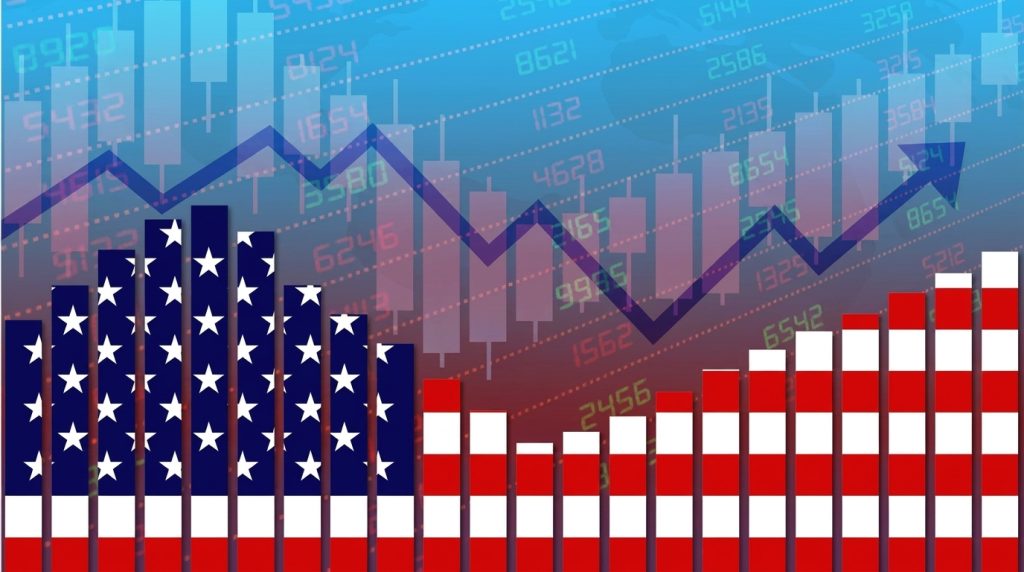
According to the Bureau of Labor Statistics, the Consumer Price Index for All Urban Consumers rose just 0.2 percent on a seasonally adjusted basis in January, while the annual rate came in at 2.4 percent, down from 2.7 percent the previous month. This is the clearest sign yet that the US inflation rate drops trend has real momentum, not just a single favorable data point.
Core CPI, which strips out volatile food and energy prices, told an even more encouraging story. Core inflation came in at 2.5 percent annually, the lowest reading since April 2021. For economists tracking underlying price pressures rather than short-term swings, this core figure is often considered the more reliable signal that the US inflation rate drops reflects a genuine trend rather than temporary noise.
What’s actually getting cheaper
Energy prices played an outsized role in this report, falling 1.5 percent for the month and helping pull the overall US inflation rate drops lower. Egg prices, which had spiked dramatically the previous year, fell another 7 percent and are now down 34 percent over the past twelve months following their earlier surge. Used cars and trucks also declined, dropping 1.8 percent for the month.
“The tariffs have had a clear impact on products such as furniture and appliances, but the key items in many family budgets are cooling off,” said Heather Long, chief economist at Navy Federal Credit Union, describing the mixed picture behind the broader US inflation rate drops trend. Her comment captures an important nuance: not every category is cooling at the same pace.
Where prices are still rising
Despite the broader US inflation rate drops narrative, shelter costs continued climbing, rising 0.2 percent for the month and remaining the single largest contributor to the overall increase. Since shelter makes up more than a third of the entire CPI basket, its persistent, if slower, growth remains a key factor keeping headline inflation from falling even further.
Airline fares also moved sharply in the opposite direction of the broader trend, jumping 6.5 percent in January. Food prices increased modestly as well, with both grocery and restaurant prices ticking up 0.2 percent and 0.1 percent respectively, a reminder that even as the US inflation rate drops overall, household grocery bills aren’t necessarily shrinking in any dramatic way.
Why the shutdown delayed this report
This particular CPI release arrived a few days later than originally scheduled because of a partial government shutdown that disrupted federal data collection earlier in the year. The Bureau of Labor Statistics has emphasized that despite the delay, the underlying data collection process remained methodologically sound, meaning the US inflation rate drops reflected in this report can be treated with the same confidence as any standard monthly release.
Economists had been watching closely for this report specifically because shutdown-related disruptions the previous fall had already caused unusual gaps in economic data, making analysts eager to confirm whether the broader disinflation trend documented here was holding up as expected.
What this means for the Federal Reserve
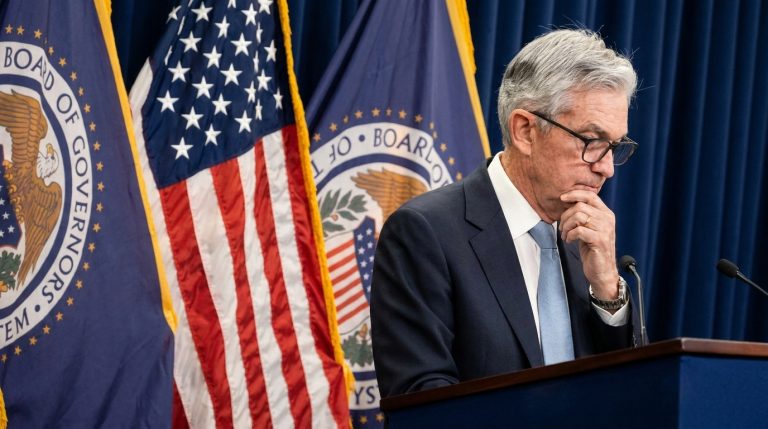
The Federal Reserve doesn’t rely on CPI as its primary inflation gauge, instead favoring the Commerce Department’s personal consumption expenditures index, but a reading like this still carries weight in shaping the broader narrative around the US inflation rate drops story. With inflation cooling and the labor market showing some signs of stabilizing after a historically weak 2025 for hiring, the data likely reinforces expectations that the Fed will remain on hold with interest rates for the time being.
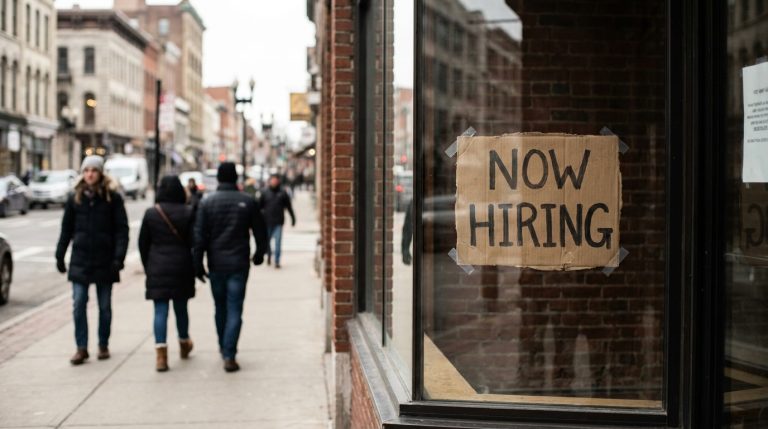
Fed officials have continued to express some concern about the labor market alongside this inflation data, noting that job growth averaged just 15,000 positions a month over the prior year. This combination of cooling prices and a fragile labor market creates a genuinely complicated picture for policymakers weighing their next move.
What this means for your household budget
For everyday consumers, the practical takeaway from the US inflation rate drops trend is a mixed one. Falling egg and energy prices offer real relief at the grocery store and gas pump, and slowing core inflation suggests broader price pressures are genuinely easing rather than masking hidden increases elsewhere. At the same time, persistent shelter cost increases mean housing, still the single biggest expense for most households, isn’t cooling nearly as quickly as other categories.
Economists surveyed following this report had largely expected the US inflation rate drops trend to continue, though the pace of improvement across individual categories remains uneven. For now, households can take some comfort in a cooling headline number, even as certain costs, particularly housing, continue moving in the opposite direction.