The US jobs report January 2026 delivered a rare bit of good news to start the year, but a closer look reveals a labor market that’s far more complicated than the headline number suggests. Employers added 130,000 jobs, nearly doubling economists’ expectations, yet the same report quietly confirmed that 2025 was the weakest year for hiring in more than two decades.
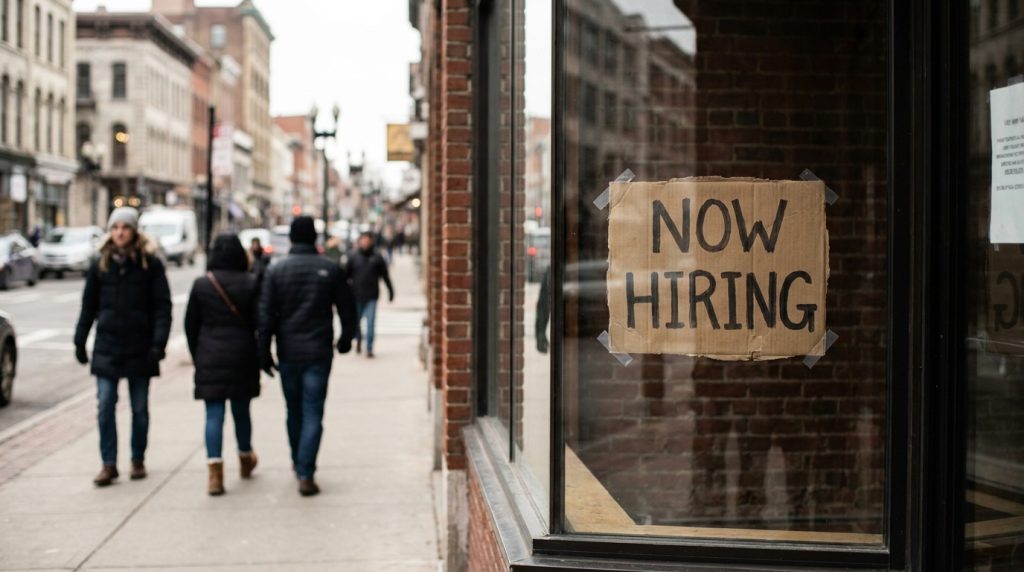
For everyday workers trying to make sense of conflicting signals, the US jobs report January 2026 is a case study in how a single data release can be both encouraging and unsettling at the same time.
Why the US jobs report January 2026 beat expectations
According to the Bureau of Labor Statistics, nonfarm payrolls rose by 130,000 in January, blowing past the Dow Jones consensus estimate of just 55,000 to 70,000 jobs. The unemployment rate also edged down to 4.3 percent, slightly better than the 4.4 percent economists had forecast. Markets responded positively, with stock futures ticking higher and Treasury yields posting gains following the release.
“It was a January job surge,” said Heather Long, chief economist at Navy Federal Credit Union, commenting on the numbers. “The surprisingly strong job gains in January were driven mainly by health care and social assistance. It is enough to stabilize the job market and send the unemployment rate slightly lower.” Her comments capture the cautiously optimistic tone that dominated reactions to the US jobs report January 2026 across financial media.
The delay that almost overshadowed the data
The US jobs report January 2026 was originally scheduled for release on Friday, February 6, but a partial government shutdown pushed the release back nearly a week to Wednesday, February 11. The unusual delay added extra anticipation to an already closely watched report, since markets had been bracing for weak numbers after a string of soft private-sector data and rising layoff announcements in the weeks leading up to it.
Even White House officials had been managing expectations downward ahead of the release. National Economic Council Director Kevin Hassett had pointed to rising productivity from artificial intelligence as a factor restraining hiring, suggesting the US jobs report January 2026 could come in soft even in a growing economy.
Where the job gains actually came from
Healthcare and social assistance once again dominated the US jobs report January 2026, accounting for the vast majority of new positions. Ambulatory health care services alone added over 50,000 jobs, while hospitals and nursing and residential care facilities contributed tens of thousands more between them. Construction and business and professional services also posted solid gains, adding 33,000 and 34,000 jobs respectively.
Not every sector shared in the good news. Retail trade and leisure and hospitality each added only around 1,000 jobs, reflecting continued stagnation in consumer-facing industries. Federal government employment declined sharply as well, with job cuts tied partly to workers who had accepted deferred resignation offers the previous year finally exiting payrolls, part of a broader trend that has shrunk the federal workforce by nearly 11 percent since its late-2024 peak.
The revision that changed the story about 2025
Perhaps the most significant detail buried inside the US jobs report January 2026 wasn’t about January at all. Annual benchmark revisions slashed 2025’s total job gains by more than 400,000, bringing the year’s actual total down to just 181,000 jobs, the weakest calendar year for hiring since 2003. What had already been viewed as a soft labor market turned out to be considerably weaker than economists had previously believed.
This revision matters because it reframes how analysts interpret the strong January number. Rather than signaling a clear turnaround, the US jobs report January 2026 may simply reflect one solid month following an unusually poor stretch, rather than the start of a sustained hiring rebound.
What this means for wages and the Federal Reserve
Wage growth data included in the US jobs report January 2026 showed average hourly earnings rising 0.4 percent for the month and 3.7 percent over the past year, slightly ahead of forecasts. Accounting for inflation, real average hourly earnings increased 1.2 percent year over year, giving workers modest but meaningful gains in purchasing power.
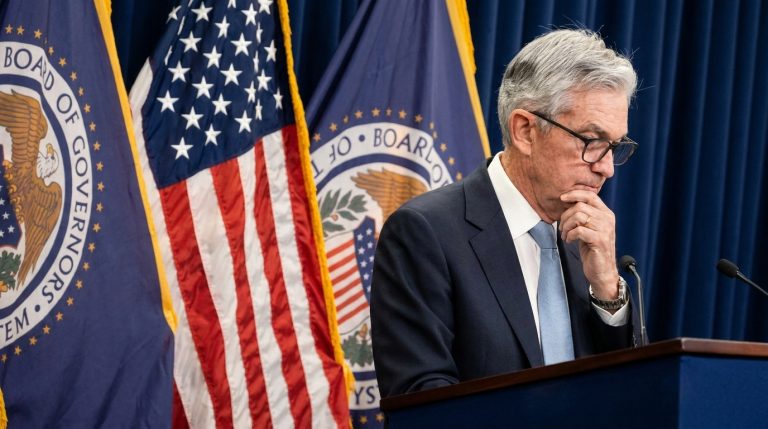
The Federal Reserve, which held interest rates steady at its January meeting after three consecutive cuts to close out 2025, is watching this wage data closely. Fed Chair Jerome Powell has signaled the central bank intends to “let the data speak” as it weighs future rate decisions, and the stronger-than-expected US jobs report January 2026 has reinforced market expectations that rates will likely remain unchanged at the Fed’s March meeting, with a possible cut still anticipated later in the year.
Should workers be optimistic or cautious
The honest answer, based on the US jobs report January 2026, is both. One strong month is a welcome sign after what officials now confirm was the weakest hiring year in over two decades, but a single data point doesn’t erase months of softness in job openings, elevated layoff announcements, and concentrated gains in just a handful of industries like healthcare and construction.
For workers in slower-moving sectors such as retail or hospitality, the US jobs report January 2026 offers limited direct reassurance, since nearly all of the reported growth remains concentrated outside their industries. Economists caution that sustained improvement, not a single surprising month, will be the real test of whether 2026 marks a genuine turning point for the American labor market.